
New vs Used Forklifts: Comparing Long-Term Costs and Actual Savings
Used forklifts look cheaper because the sticker price is lower. That is obvious. The harder question is whether they are actually cheaper after the first year.
A used electric forklift can make sense if three things are true: you know its service history, the battery still has healthy remaining life, and local parts support is strong. If any of those three are missing, the lower price often disappears fast.
Battery replacement is the biggest trap. A used forklift with a tired battery may still operate during inspection, but runtime drops, charging gets inconsistent, and replacement cost can erase the purchase advantage. Buyers sometimes save $4,000 on the machine, then spend $3,500 on battery and charger issues inside six months.
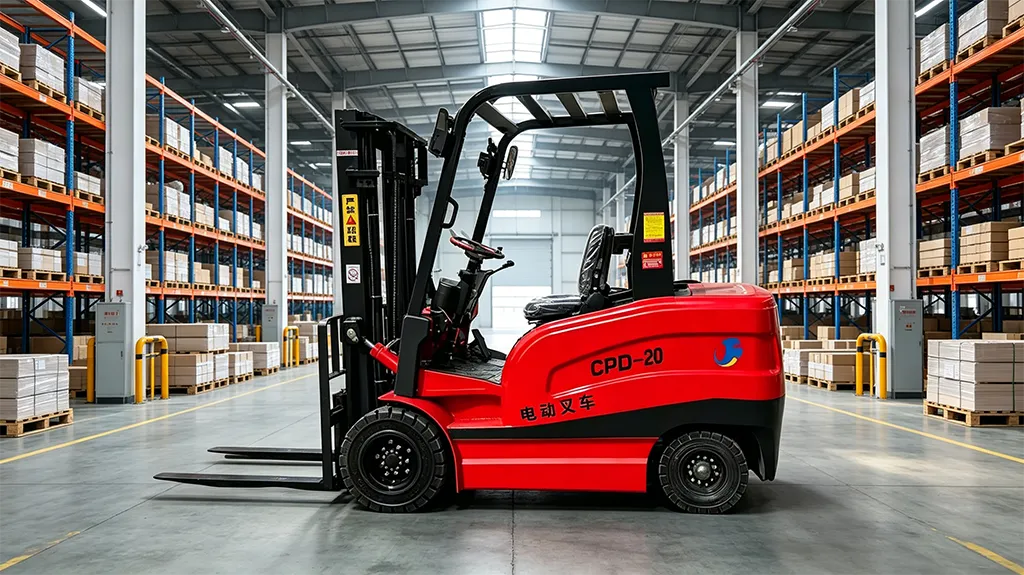
A new factory-direct machine like the CPD-20 or CPD-25 gives you known components, current documentation, and warranty-backed support. That matters more than buyers admit, especially in export markets where downtime costs more than labor.
If your operation is seasonal or low-use, a verified used forklift can still be a rational buy. But if the machine is core to daily shipping, new usually wins on total cost because the risk profile is lower.
That is the real comparison: not price today, but cost certainty over the next 24 months.