
Warehouse Fleet Size: Calculating How Many Forklifts You Really Need
Some warehouses buy too few forklifts and create bottlenecks. Others buy too many and let expensive assets sit idle. Neither is efficient.
The easiest way to estimate need is to start with pallet moves per hour, not floor size. A warehouse may be huge but slow-moving, or small but extremely active. What matters is how many handling cycles your team completes during peak periods.
As a rough guide, one electric forklift in a standard warehouse can often handle 18–30 pallet moves per hour depending on travel distance, load consistency, and aisle layout. If your peak demand is 70 pallet moves per hour, one machine is clearly not enough. Two may work. Three may be safer if truck loading overlaps with storage replenishment.
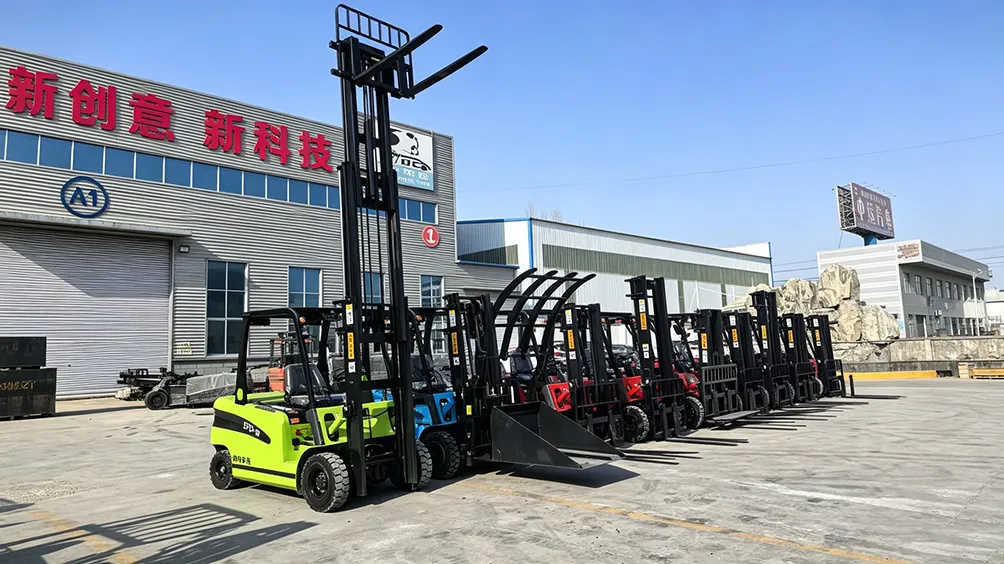
Shift overlap matters too. A single CPD-20 might cover one shift well, while a two-shift site may need either a lithium setup or a second machine to avoid charging conflicts. Heavier dock work may push you toward a CPD-30 for part of the workflow.
A practical mistake is sizing forklift count based on average volume instead of peak windows. Trucks do not always arrive evenly. Neither do orders. Buy for the pressure point, not the quiet hour.
If you want, we can help match your throughput to the right forklift mix: contact us.