
Lithium vs Lead-Acid Forklifts: The Truth Before You Make a Purchase
Walk into any forklift conversation and lithium batteries come up fast. They’re the shiny option, and the marketing around them is aggressive. But is lithium always the right call? Depends entirely on your operation.
Where lithium genuinely wins:
Multi-shift operations are where lithium earns its premium. With a lead-acid pack, you need a dedicated charging room, extra battery sets to rotate, and a minimum 8-hour charge cycle. Lithium charges in 2–3 hours with opportunity charging during breaks—no swapping, no room required.
Lithium is also roughly 30% lighter than lead-acid at equivalent capacity. In a counterbalance forklift, that weight sits low at the rear—not ideal if you’re relying on it for stability ballast. Worth factoring into the spec check.
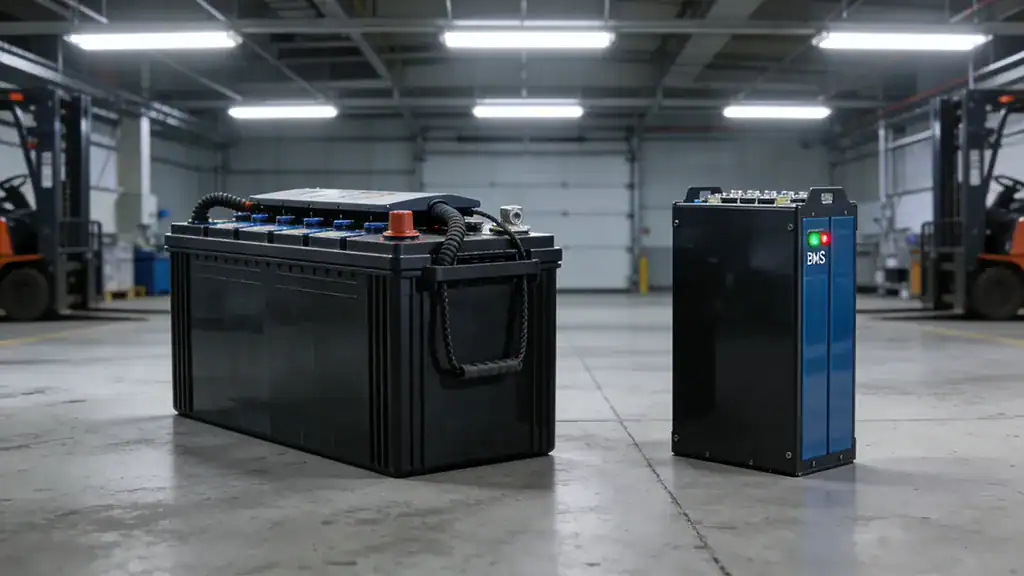
Where lead-acid still makes sense:
Single-shift operations with overnight charging don’t need lithium. You charge once, run all day, done. The CPD-25 2.5 ton forklift comes with both Chaowei lead-acid and CALT lithium options—which tells you both work, depending on the use case.
Upfront cost is the other factor. Lithium packs add $1,800–3,500 to a machine’s price in our lineup. For a buyer running one shift in a low-utilization facility, the payback period on that premium can stretch past 5 years. Lead-acid wins that scenario.
What to ask before deciding:
- How many shifts per day?
- Do you have battery room/charging infrastructure?
- What’s your 5-year plan for this machine?
The CPD-30 3 ton model offers both battery configurations from the factory. If you’re not sure which direction to go, that’s a good starting point for a conversation.
WhatsApp: +86 138 0537 3583 | Email: [email protected]